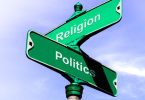


When government fails to provide for the needs of its citizens, the Church or faith-based organizations often step in to fill the gap. This can manifest in various ways:
1. Charitable services: Providing food, shelter, clothing, and other essential services to the vulnerable.
2. Community development: Initiating projects for education, healthcare, and economic empowerment.
3. Advocacy: Speaking out against injustice and advocating for policy changes.
4. Counseling and support: Offering emotional and spiritual support to individuals and families.
5. Disaster response: Providing relief and aid during natural disasters or crises.
6. Education and skills training: Equipping people with skills for self-sufficiency.
7. Healthcare services: Operating hospitals, clinics, and health programs.
8. Social justice initiatives: Addressing systemic issues like poverty, inequality, and discrimination.
The Church can be a powerful force for good, offering hope and support when government fails to meet the needs of its citizens.
Let’s dive deeper into the role of the Church in social justice and community development:
Social Justice:
1. Advocacy: Speaking out against systemic injustices, like racism, sexism, and economic inequality.
2. Community organizing: Mobilizing communities to address local issues and promote change.
3. Education and awareness: Raising consciousness about social issues and promoting empathy.
4. Policy influence: Working with governments to shape policies that promote justice and equality.
Community Development:
1. Grassroots initiatives: Supporting community-led projects and initiatives.
2. Capacity building: Empowering local leaders and organizations to drive change.
3. Partnerships and collaborations: Building bridges between faith-based organizations, NGOs, and government agencies.
4. Economic empowerment: Initiating economic development projects, like microfinance, job training, and entrepreneurship programs.
The Church can play a vital role in promoting social justice and community development, especially when government efforts fall short.
Here’s a possible continuation of that thought:
As government fails to address the needs and concerns of its citizens, people may turn to the church as a source of hope and solutions. They may seek miracles in the form of:
1. Healing and deliverance:from physical, emotional, or spiritual afflictions.
2. Financial breakthroughs:and prosperity amidst economic hardship.
3. Protection and safety:in times of uncertainty and insecurity.
4. Guidance and wisdom:in navigating life’s challenges.
5. Comfort and solace,in times of loss and grief.
The church, as a symbol of divine presence and intervention, may become a refuge for those seeking miracles and answers to life’s problems. This could lead to:
1. Increased church attendance:and engagement.
2. Deeper spiritual seeking: and exploration.
3. Greater emphasis on prayer and intercession.
4. More testimonies and sharing of miracle stories.
5. Renewed focus on faith and trust in Yahweh
When government is effective and actively addressing the needs of its citizens, people may be less likely to seek miracles in the church. This could be because:
1. Basic needs are met: Government programs and services provide for basic needs like healthcare, education, and social welfare.
2. Security and stability: Effective governance ensures a sense of security, reducing the need for divine intervention.
3. Trust in institutions: People trust government institutions to address their concerns, reducing reliance on miracles.
4. Less desperation: When government delivers, people may feel less desperate and less inclined to seek miracles.
5. Different focus: People may focus on personal achievements, community engagement, and civic activities rather than seeking miracles.
In such contexts, the church may focus more on:
1. Spiritual growth and development.
2. Community building and service.
3. Social justice and advocacy.
4. Personal transformation and discipleship.
5. Worship and fellowship.
However, it’s important to note that people’s needs and circumstances can vary, and some may still seek miracles even in effective governance contexts.
To Yahweh be the Glory!
By: Shepherd Nwaeze.