
The Jamaican Maroons have a fascinating history and culture. Here are some additional facts:
1. Origins: The Maroons were formed from enslaved Africans who escaped from Spanish and British plantations in the 17th and 18th centuries.
2. Name: The name “Maroon” comes from the Spanish word “cimarrón,” meaning “wild” or “fugitive.”
3. Leaders: Notable Maroon leaders include Nanny, a spiritual leader and warrior, and Captain Cudjoe, who negotiated a treaty with the British in 1739.
4. Treaty: The treaty granted the Maroons autonomy, land, and freedom from slavery in exchange for their agreement to capture and return runaway slaves.
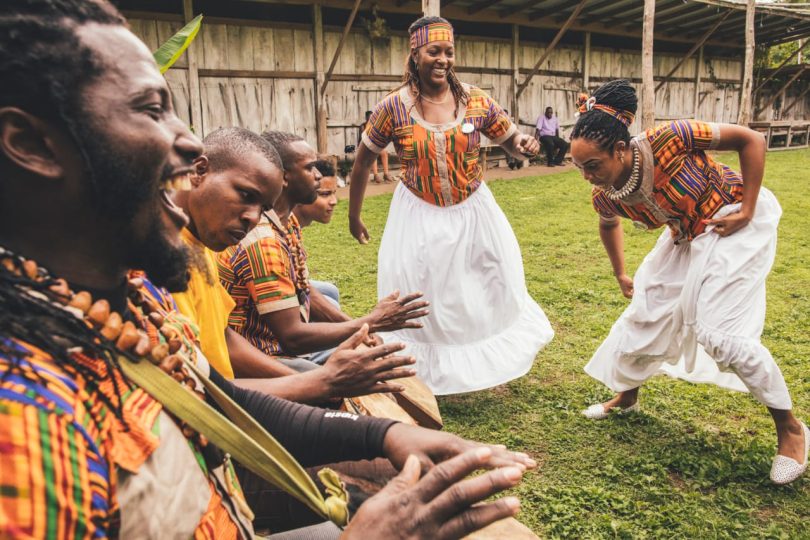
5. Culture: Maroon culture blends African, Taino, and European influences, reflected in their music, dance, art, and spiritual practices.6. Language: Maroon dialect is a unique blend of African, English, and Spanish languages.
7. Spirituality: Maroons have a strong spiritual tradition, including beliefs in ancestral spirits and African deities.
8. Music : Maroon drumming and music are known for their energetic rhythms and storytelling.
9. Food: Maroon cuisine features traditional dishes like jerk pork, yams, and ackee and saltfish.
10. Legacy: The Maroons have contributed significantly to Jamaica’s cultural identity, resistance to oppression, and fight for freedom.
Some popular Maroon communities in Jamaica include:
1. Accompong Town
2. Moore Town
3. Charles Town
4. Scott’s Hall
5. Nanny Town
These communities continue to preserve Maroon culture and traditions, and visitors are welcome to experience their rich heritage.
Many Jamaican Maroons have Igbo ancestry and identity. During the transatlantic slave trade, enslaved Igbo people were brought to Jamaica, and some escaped to form Maroon communities.
Igbo people, from present-day Nigeria, were known for their skills in farming, craftsmanship, and resistance to slavery. These skills helped the Maroons establish thriving communities in Jamaica’s interior.
Today, many Maroons proudly claim Igbo heritage and continue to practice cultural traditions, such as:
1. Igbo naming ceremonies
2. Traditional Igbo clothing and adornments
3. Igbo-inspired music and dance
4. Ancestral reverence and spiritual practices
Some Maroon communities have also maintained Igbo language and customs, blending them with other African, Taino, and European influences.
The Igbo connection is a vital part of Maroon identity, reflecting their resilience, cultural adaptability, and strong ancestral ties.
To Yahweh be the Glory!
By: Shepherd Nwaeze.
Whatsapp: 09136554211.